THE SILENT POWER GAME THAT CHANGED ZIMBABWE
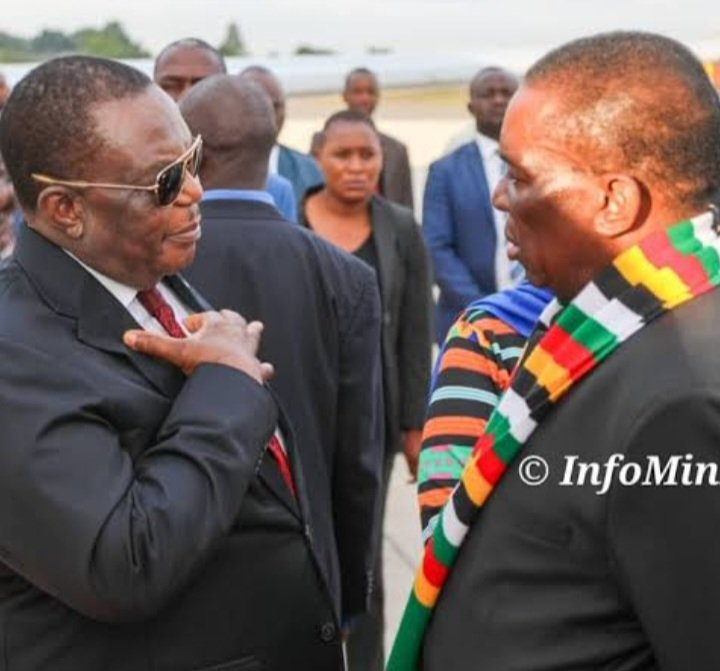
Many people talk about the story of Zimbabwe after 2017 like it is a simple story. They say one man betrayed the other, and that is the end. They say the soldier helped remove the old leader, and the politician he helped later pushed him aside. This sounds like a movie story. But the real truth is not that simple. When we ask if Emmerson Mnangagwa betrayed Constantino Chiwenga or if Chiwenga failed to understand the real game, we open a bigger door. We start to see how power works in Zimbabwe, how leaders think, and how our system forces people to act in certain ways. This is not only a story about two men. It is a story about a system that rewards control, punishes loyalty, and makes power feel like something that cannot be shared.
The partnership between Mnangagwa and Chiwenga was never about shared ideas. It was a deal made because both men needed each other in a time of crisis. In late 2017, the fight between G40 and Lacoste had reached a dangerous point. When Mnangagwa was removed from the vice presidency, the military felt they were in danger. Chiwenga, who was the head of the defence forces, said the army was stepping in to protect the liberation story. Mnangagwa said he would bring political order and make the whole process look legal.
The plan worked. Chiwenga brought the army and strong discipline. Mnangagwa brought the political front and the legal path. When Mugabe left power and Mnangagwa became president, many soldiers believed this setup was not going to last forever. Some even thought Mnangagwa would give power to Chiwenga after things became calm. At the start, this idea looked true. Chiwenga became vice president, and many military leaders got big posts. It looked like the unity of 2017 was strong.
But things changed in late 2018. Mnangagwa started moving military officers out of key places. Some went into retirement. Some became diplomats. Some were kept close but watched. The intelligence groups were rebuilt so they would listen more to Mnangagwa. The ruling party also changed. Power moved away from military-linked people and towards people who supported Mnangagwa.
The economic problems of 2018 and 2019 made these changes move even faster. The government needed civilian business people to help with money issues. The military power that looked so strong in 2017 became less important. By 2020, Chiwenga had less power than he expected. His long illness kept him away from the centre of power. While he was away, Mnangagwa became even stronger. People close to Mnangagwa rose higher. The security system began to protect him more directly. Some people linked to the military were arrested, showing who was now in charge.
By 2022, the old agreement from 2017 was gone. Chiwenga was still vice president, but he no longer had real influence. Mnangagwa started his next term with more power over the state, the party, and the people who would choose the next leader. The soldier who once shaped the political change now lived inside a system fully controlled by Mnangagwa.
This is not a story of simple betrayal. It is a story of how power in Zimbabwe eats everything around it. And this story shows why our country remains trapped in fear and silence. When power is held by one man and one small group, the people suffer the most. We learn that true change cannot come from deals made by leaders who only care about control. Real change must come from the people demanding freedom.


This is one of the most honest explanations of what really happened after 2017. It was never about friendship or loyalty. It was about power and survival. Anyone who understands Zimbabwe knows that once power is tasted, it cannot be shared. People who reduce this story to betrayal miss the point. The system itself forces leaders to crush anyone who could challenge them. This article explains clearly why Zimbabwe keeps going in circles instead of moving forward.
The most painful truth here is that the people never mattered in this arrangement. The deal of 2017 was about control, not democracy. That is why nothing really changed for ordinary Zimbabweans after Mugabe left.
This analysis ignores the fact that Zimbabwe needed stability after 2017. President Mnangagwa had to consolidate authority to prevent chaos. Strong leadership is not betrayal, it is responsibility.