ZIMBABWE’S ECONOMY STABILIZING AS RBZ HOLDS FIRM
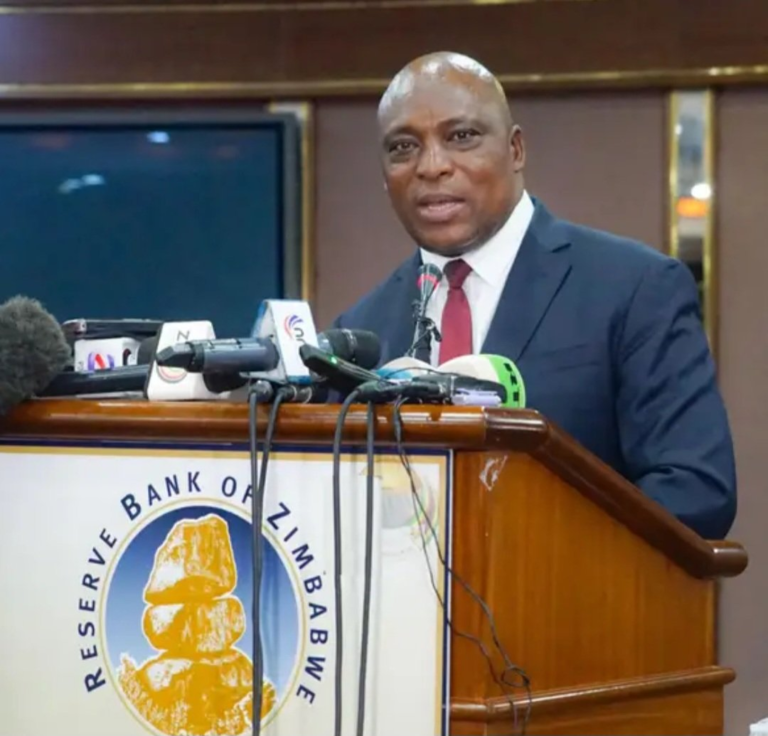
The Reserve Bank of Zimbabwe (RBZ) says it is winning the fight to bring stability to the country’s economy. The central bank has been working to control inflation and keep the exchange rate steady. According to RBZ, these efforts are working well. The bank recently injected US$150 million into the foreign exchange market as part of its policies.
The RBZ Monetary Policy Committee (MPC) met on December 3, 2024, to check how its policies from September 27, 2024, were performing. The committee said these measures have helped to reduce money flowing in the economy. This has also stopped some people from speculating in the foreign exchange market.
RBZ shared that inflation and the exchange rate have been stable since October 2024. In October, inflation was very high at 37.2%. By November, it dropped to 11.7%. The bank said the high inflation in October happened because the Zimbabwean dollar (ZiG) lost value in September. Now, RBZ expects inflation to go back to lower levels, like before October 2024.
RBZ also reported that foreign currency inflows have increased. Between January and October 2024, Zimbabwe received US$11.05 billion. This is 19.1% more than the US$9.27 billion received in the same time in 2023. More foreign currency coming in is helping to keep the exchange rate stable.
To maintain stability, the MPC decided to keep its strict policies in place. Some of the key measures include:
- Keeping the Bank Policy rate at 35%.
- Keeping statutory reserve requirements for savings and time deposits at 15%.
- Keeping statutory reserve requirements for demand and call deposits at 30%.
- Improving the interbank foreign exchange market to make it work better.
The MPC also welcomed a new government law that forces companies to pay corporate tax in a mix of 50% US dollars and 50% ZiG. This will encourage more sellers to put foreign currency in the interbank market.
RBZ also announced a Targeted Finance Facility (TFF) to support businesses. This facility will help key industries through banks. The central bank will soon give more details to banks on how this facility will work.
The RBZ said it will keep a close eye on the economy. It will change its policies when needed, based on how inflation and the exchange rate behave. The central bank is confident that these steps will keep Zimbabwe’s economy stable in the coming months.


You present the RBZ’s recent measures—such as the US$150 million injection and stringent policy rates—as definitive proof that stability is on the horizon. However, you seem to overlook the potential downsides of maintaining such high policy rates and reserve requirements, which could, in turn, hamper business growth and broader economic development. It might be useful for you to consider whether these policies, despite their immediate benefits, could also carry significant long-term risks for Zimbabwe’s economic recovery.
You come across as overly optimistic about the RBZ’s ability to bring lasting stability to Zimbabwe’s economy, yet you seem to gloss over some of the structural challenges that persist. While you highlight the impressive drop in inflation and increased foreign currency inflows, you don’t fully address the underlying issues like high public debt and fragile financial sectors.
You do an excellent job of breaking down the RBZ’s proactive steps to stabilize Zimbabwe’s economy. Your detailed account of the US$150 million injection into the foreign exchange market and the subsequent drop in inflation from 37.2% to 11.7% provides a clear picture of how these policies are already having a positive effect. I appreciate how you connect these measures to the broader improvement in foreign currency inflows and overall market stability, offering readers an insightful look at the progress being made.