MBUDZI INTERCHANGE: A MONUMENT OF CORRUPTION AND WASTE
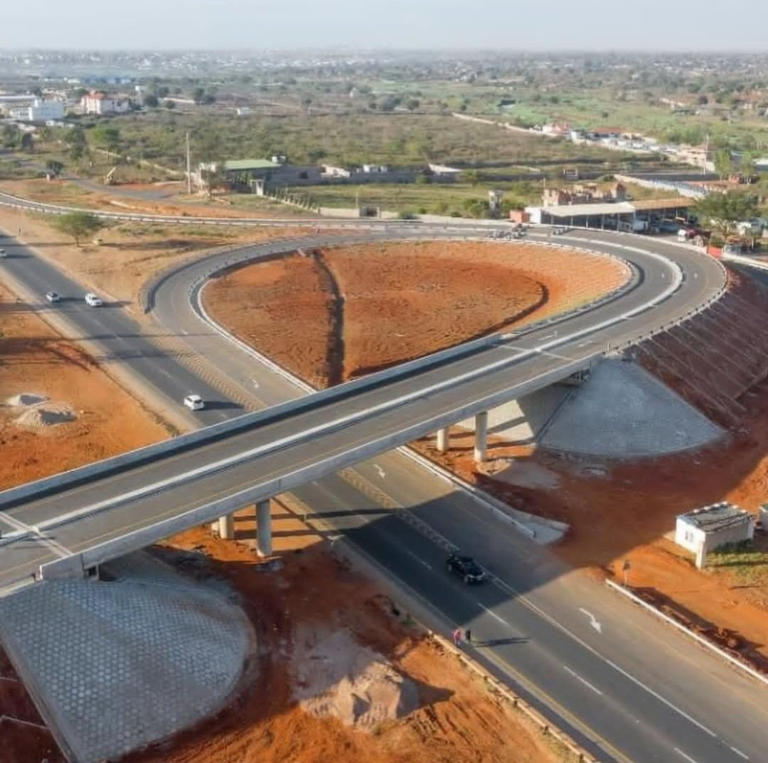
Zimbabwe’s Mbudzi traffic interchange is fast becoming a sign of corruption and failure. The project is set to cost a shocking US$88 million. This is more than Africa’s most advanced interchange, the Mount Edgecombe Interchange in South Africa. That project cost only US$65.9 million.
The extra US$22 million is not a mistake. It shows the deep corruption in Zimbabwe’s construction projects. The price is too high. There is no reason for it to be this expensive. It is clear that money is being stolen. While South Africa built a great structure, Zimbabwe’s Mbudzi project is full of lies and dishonesty.
Mount Edgecombe, completed in 2018, is the biggest and most complex interchange in the southern part of Africa. It has four levels and a 948-metre-long bridge. It connects important roads and helps businesses grow. It is a strong and well-planned structure.
But Mbudzi is a different story. It is a basic structure. It is not special in any way. But somehow, its cost is much higher. People are asking how such a simple project costs so much. The answer is corruption. The government gave the project to contractors who are connected to powerful people. There was no competition. The contract was given in secret, and there was no fairness.
The people building Mbudzi know they can overcharge because they are protected. No one will ask them why they are charging so much. They know that the money will keep coming, no matter what. Meanwhile, Zimbabweans are paying for a project that is too expensive and not even well designed.
The construction sector in Zimbabwe is known for corruption. Many projects take longer than they should. They also cost much more than normal. The government does not stop this from happening. Instead, officials who should stop corruption join in. They help to steal public funds. They do not care about the people.
This kind of corruption hurts ordinary Zimbabweans. The money that could go to hospitals, schools, and other services is wasted on overpriced projects. The government increases taxes to pay for these projects. But the people do not benefit. The money is taken by a few powerful individuals while everyone else suffers.
Mbudzi is proof that corruption is killing Zimbabwe’s progress. South Africa built a bigger, better, and more useful interchange for much less money. Zimbabwe is paying more but getting a project that is not even close in quality. This is unfair to the people.
Zimbabweans must ask tough questions. Why is the project so expensive? Who is making money from this deal? When will corruption end? These are questions that need answers.
If corruption does not stop, Zimbabwe will continue to lose money. More projects will be overpriced. More people will suffer while a few get rich. The government must be held responsible. It must stop this waste. The people must demand better.
The Mbudzi interchange should have been a sign of progress. Instead, it is a symbol of corruption. It shows how leaders fail to protect public funds. Until Zimbabwe stops corruption, projects like this will keep happening. And the country will keep suffering.


You paint the Mbudzi interchange as a symbol of rampant corruption without offering a nuanced view of the circumstances surrounding large infrastructure projects. The direct comparison with South Africa’s Mount Edgecombe Interchange, while striking, might overlook differences in economic context, regulatory environments, and project-specific challenges. It feels as though you dismiss any possibility that factors other than corruption could be at play.
You make a forceful case that the exorbitant price of the Mbudzi project is proof of dishonesty and mismanagement. However, your narrative sometimes appears more like a rant than a balanced critique. Instead of exploring all possible factors that could influence project costs, you quickly jump to conclusions about corruption.
You come across as overly one-sided in your analysis of the Mbudzi project. While you strongly argue that the extra US$22 million is a clear sign of corruption, you don’t seem to consider that there might be legitimate challenges—like logistical issues or regional economic factors—that could contribute to higher costs. By attributing every extra dollar solely to corrupt practices, you risk oversimplifying a complex issue.