ZIMBABWE’S NEW CURRENCY IS FAILING FAST
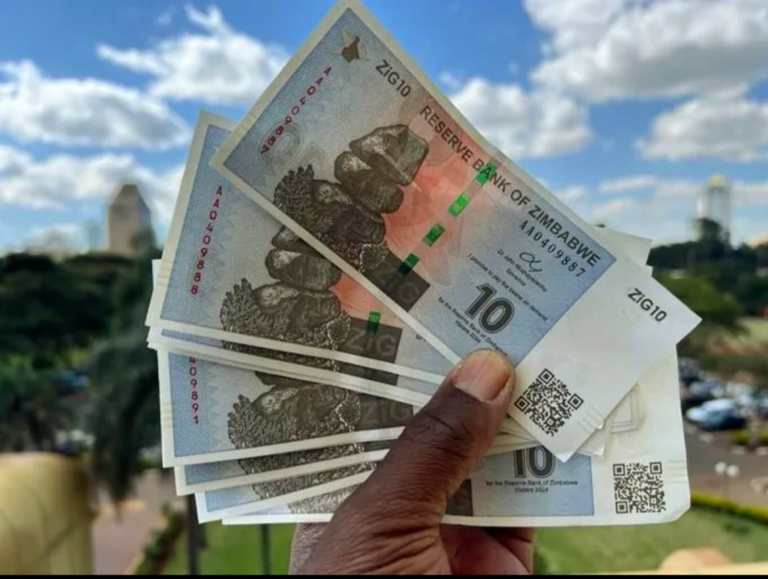
Zimbabwe introduced a new currency called ZiG, saying it was backed by gold and foreign currency. The government promised it would help the economy, but instead, it has caused more problems. Many businesses, especially retailers, are struggling. Some of them may have to close because of the problems caused by ZiG. The country is already suffering from high inflation and rising interest rates, and ZiG has made things worse.
One of the biggest problems is the exchange rate. The government says that 1 US dollar equals 13.8 ZiG. But in the parallel market, 1 US dollar is worth 30 ZiG. This means that businesses using the official rate are losing money. Since April 5th, when ZiG was introduced, it has already lost 49% of its value. The government says inflation is 3.7%, but independent economists say it is actually over 800%, the highest in the world.
There is also a problem with the money supply. The amount of money in the economy is increasing by 283% every year, but people are not spending much. Normally, when money moves fast in the economy, it means business is growing. But in Zimbabwe, money is not moving, and businesses are struggling. The government tried to control the amount of money available to keep ZiG strong, but this plan has not worked.
Another issue is that ZiG banknotes are hard to find. Many people still use the US dollar because they cannot get ZiG cash. President Emmerson Mnangagwa has said he wants to remove the US dollar by 2030 and make ZiG the only currency. But if ZiG keeps losing value, it may fail like the six other Zimbabwean currencies before it. Because of the crisis, Mnangagwa has allowed people to use foreign currency until December 2030.
The Reserve Bank of Zimbabwe (RBZ) is supposed to control money and keep the economy stable. The RBZ governor, John Mushayavanhu, had promised not to print more money. But now, he has been forced to do so. The RBZ is trying to fix the exchange rate and keep the economy stable, but their efforts are not working. Businesses are struggling, and the economy is becoming more unstable.
Retailers are facing serious problems. They have to use the official exchange rate, which makes their products much more expensive than those sold on the streets, where the parallel market rate is used. This means that fewer people are buying from stores, and inflation is getting worse. Retailers are now asking the government to do something before they are forced to close.
Even though the government says ZiG is helping the economy, businesses disagree. They say it has made things worse. Large retail companies like OK Zimbabwe, PicknPay, and SPAR are worried about the future. They believe that if the government does not fix the economy, many businesses will close.
Economists have warned that ZiG alone cannot fix Zimbabwe’s economy. They say the main problem is bad leadership and politics. Zimbabwe needs big changes in how it does business. Corruption must stop, and the government must manage money better. Without these changes, the economy will not improve.
Zimbabwe also needs help from other countries to pay its debts and get financial support. Right now, the government is not getting help from international lenders. Instead, it is taking private loans with high interest rates. Zimbabwe has tried to talk to other countries to help with its debt, but those talks have not worked. Big countries like the United States have pulled back from these discussions. This leaves Zimbabwe in a very difficult position with an uncertain future.
ZiG was supposed to bring stability, but it has only caused more problems. The government needs to take action before the economy gets worse. If nothing is done, more businesses will close, inflation will continue to rise, and people will suffer even more.


