ZIMBABWE FACES BIG PROBLEMS: CORRUPTION AND HUMAN RIGHTS ABUSES
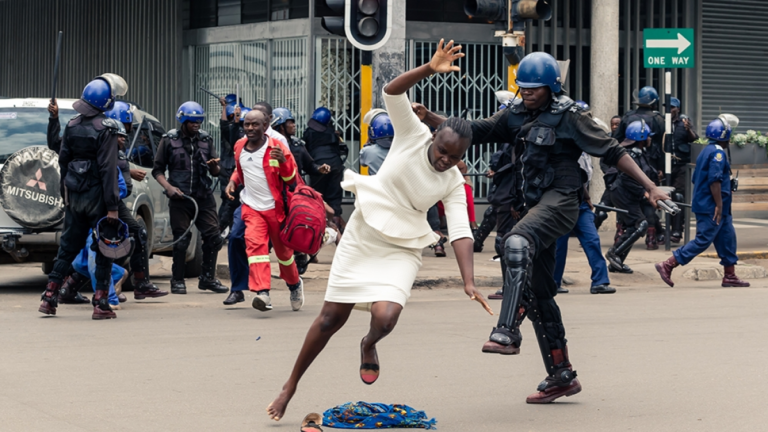
Zimbabwe has a big problem with corruption and human rights abuses. A new report, the 2023 Country Reports on Human Rights Practices, shows how bad things are. Corruption happens at all levels, from small officials to top government leaders. Even though Zimbabwe has special anti-corruption courts in all 10 provinces, these courts do not work well. The report says that politics affects court decisions, and many cases are not properly investigated. This makes it hard to fight corruption.
In Zimbabwe, small corruption happens every day. Police officers, local officials, and other workers ask people for bribes. But the bigger problem is corruption at the top. The report talks about high-level politicians using their power to steal money and resources. Al Jazeera’s ‘Gold Mafia’ investigation found that important government officials are involved in gold smuggling and money laundering. These crimes happen through international banks in South Africa and the UAE. Some of the people named in this scandal are Uebert Angel, an ambassador for Zimbabwe, and Henrietta Rushwaya, the president of the Zimbabwe Miners’ Federation. Both of them are linked to President Emmerson Mnangagwa.
The Zimbabwe Anti-Corruption Commission (ZACC) is supposed to stop corruption, but it is not working well. In 2022, it received 684 complaints, which is 38% fewer than the year before. The problem is that ZACC does not have the power to put corrupt officials in jail. Many people are arrested, but then they are released without punishment. This means corruption continues without any real consequences.
Zimbabwe’s prisons also have big problems. They are too crowded, and the government does not provide enough money for them. Prisoners do not have enough food, clean water, or medical care. The worst example is Harare Remand Prison, which has too many prisoners in a small space. Former prisoners say guards beat them every day. There are also small children under four years old living in prisons with their mothers. These children do not get their own food and must share with their parents, which makes life very hard for them.
Another big problem in Zimbabwe is violence against political opponents. The report talks about how the government does not stop this violence. Some people have even been killed. For example, the police killed a man named Persuade Mandara in a case linked to stolen grain. Another case is the abduction and killing of CCC activist Tapfumaneyi Masaya. These killings show that some people in power do not fear punishment for their actions.
During elections, the situation becomes worse. The report says that some groups linked to the Central Intelligence Organisation (CIO) threaten voters. They pretend to be doing exit polls, but they are actually forcing people to vote in a certain way. This makes Zimbabwe’s elections unfair.
People who try to fight for human rights are also in danger. Many human rights defenders and non-governmental organizations (NGOs) face threats, arrests, and surveillance. The government sees them as enemies. Some lawyers, like Doug Coltart and Tapiwa Muchineripi, were arrested just for helping people who had been kidnapped and tortured. This shows how the government tries to control everything by using fear.
All these problems show that Zimbabwe’s government is not working for the people. Instead of protecting citizens, leaders use their power to get rich and stay in control. The country’s institutions, like the courts and police, do not work for justice but for political power.
People inside and outside Zimbabwe keep asking for change. Activists and the international community say Zimbabwe needs real reforms to fix corruption and human rights abuses. But so far, there are no signs that things will get better. Corruption is deeply rooted, and human rights are still being violated every day.


