A NEW CHAPTER FOR BOTSWANA: PEOPLE CHEER, PEOPLE BOO
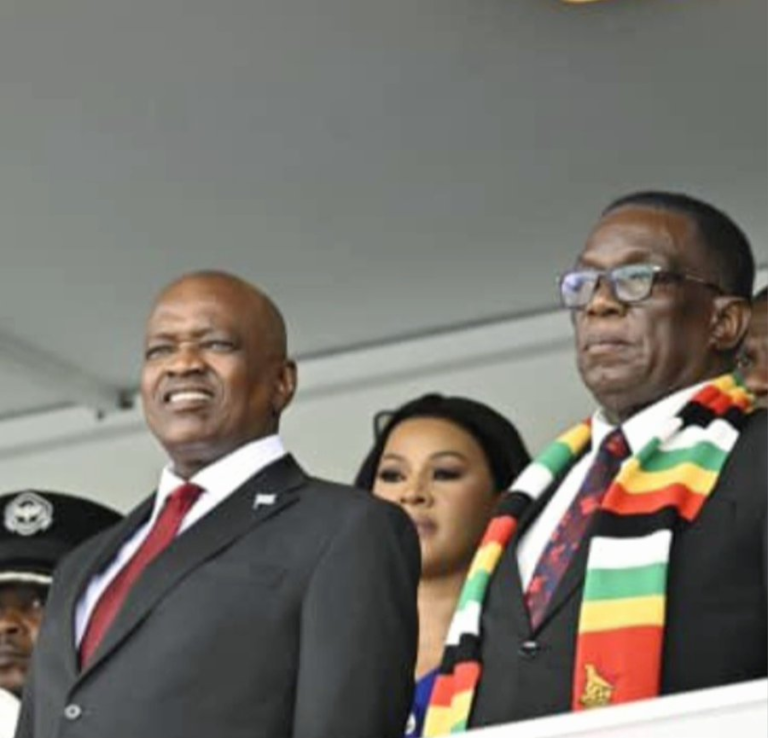
This morning in Gaborone, Botswana welcomed a new leader, President Duma Boko. The city was full of excitement as people came to watch his inauguration. But not everyone at the event had a good time. Some important guests faced the anger of the crowd.
Former President Mokgweetsi Masisi and his friend, Zimbabwean President Emmerson Mnangagwa, were not welcome. When their faces appeared, people in the crowd began to boo loudly. They did not want to hide their feelings. The two men sat next to each other. On their left, Zambian President Hakainde Hichilema and Namibian President Nangolo Mbumba watched everything happen.
Mnangagwa looked very sad. His face showed that he felt the weight of the moment. Sitting next to Masisi, he seemed lonely and troubled. Masisi, who had just lost the election, had no power left. Just a few days ago, he was the leader of Botswana. Now, he had to sit and watch his rival take over. The event made it clear that people had lost trust in him.
The election was historic. The people voted for change. They gave the Umbrella for Democratic Change a big victory. The Botswana Democratic Party, which had ruled for 58 years, was now out of power. Some people even said Masisi and his party were “six feet under,” meaning their time was over.
But while Masisi and Mnangagwa faced rejection, others received warm welcomes. One man got the loudest cheers, after President Boko himself. That man was former President Ian Khama. He once supported Masisi but later became one of his biggest critics. Today, the people showed that they still admire him.
Another respected leader, former President Festus Mogae, also received cheers from the crowd. These reactions showed that people remember good leadership. They respect past leaders who made Botswana strong. At the same time, their boos for Masisi showed that they did not like how he led the country.
Botswana has always been known for its strong democracy. Since independence in 1966, the country has had five presidents before Boko. The first was Seretse Khama, father of Ian Khama. After him came Ketumile Masire, then Festus Mogae, then Ian Khama, and finally Mokgweetsi Masisi. Botswana has always had peaceful transitions of power, setting an example for other African nations.
The event in Gaborone today was more than a ceremony. It was a message from the people. They welcomed change and celebrated their new leader. They also showed that they still respect past leaders like Ian Khama and Festus Mogae. At the same time, they made it clear that they were unhappy with Masisi and his friend Mnangagwa. The message was loud: leaders must listen to the people or face rejection.
Botswana continues to lead the way in democracy. Elections are free and fair. People have the power to decide who will lead them. Today’s jeers and cheers showed strong emotions. They showed that people want good leadership. They showed hope for a better future under President Boko.
Now, Boko has a big job ahead. People expect him to bring change. They trust him to make their lives better. Leading a country is not easy, but Botswana’s strong democracy will guide him. The people have spoken, and their voices echoed through the streets of Gaborone today.


You seem to focus almost exclusively on the dramatic reactions—the boos for Masisi and Mnangagwa—without delving into the deeper political context behind these sentiments. While the public’s emotional response is important, your narrative risks oversimplifying complex political dynamics by turning a nuanced transition into a mere spectacle of personal rejection.
You present the event in a way that emphasizes the crowd’s hostility toward former President Masisi and Mnangagwa, which comes across as overly judgmental. It appears that you use the jeers and boos as the central theme, rather than exploring whether there were valid policy criticisms or other factors that might explain the crowd’s discontent. This one-sided focus may not fully reflect the intricacies of Botswana’s democratic process.