JOB SIKHALA: A FIGHTER WHO WILL NOT GIVE UP
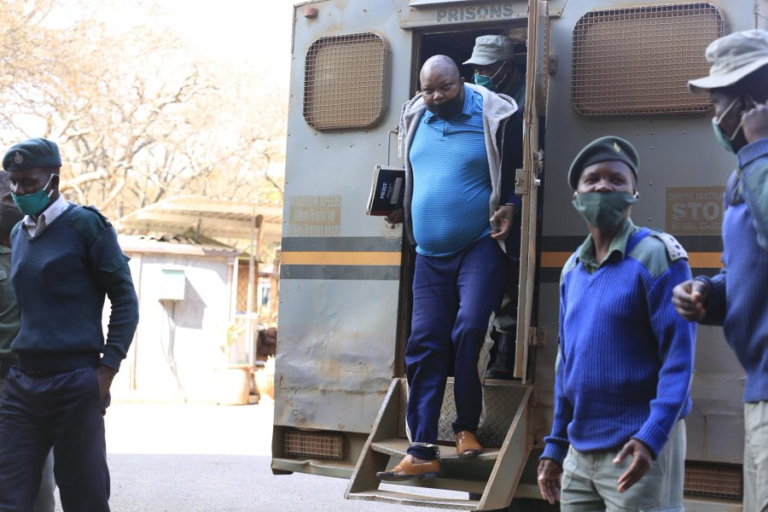
Job Sikhala is a strong man. He is a leader in Zimbabwean politics. The government has found him guilty of inciting violence. This is a big moment in Zimbabwe’s fight for freedom. But Sikhala is not afraid. He stood in court with chains on his legs. He looked at the judges and said, “Let them do what they want. I don’t care, don’t worry.” His words show that he will never give up.
Sikhala is known for standing against the government. He speaks loudly when he sees wrong things happening. He fights for democracy and justice. Many people admire him, but others fear him. The government sees him as a problem. His conviction is a big loss for people who want freedom. It shows how hard it is to fight against those in power.
The government has been trying to silence Sikhala for a long time. They charged him with inciting violence. This is something that happens in many countries where leaders do not want to be questioned. Critics say the charge is false. They believe the government is using the law to remove its enemies.
Sikhala’s trial was full of problems. Many people do not trust the courts in Zimbabwe. Human rights groups and people from other countries watched the case closely. They say the trial was not fair. They believe the government controls the courts. Many think Sikhala was punished just for speaking the truth.
Even with all this, Sikhala stood strong. He did not show fear. His words in court were not just about himself. They were for all Zimbabweans who want freedom. He showed that standing up to a powerful government is not easy. It can cost a person everything. But still, he did not back down.
People reacted differently to his conviction. Some believe the government did the right thing. They say Sikhala was causing trouble. But many others think the government just wants to stop opposition voices. They believe this is another sign that Zimbabwe is losing its democracy.
This event makes people ask big questions. What will happen to democracy in Zimbabwe? Will human rights be respected? The government wants to keep its power. But people like Sikhala want freedom. The fight is not over. Sikhala gives hope to those who still believe change is possible.
The world is also watching. Many countries and organizations are talking about Sikhala’s case. They are worried about Zimbabwe. Some people are asking for action against the government. They want Zimbabwe to respect human rights and freedom.
Job Sikhala’s conviction is not just about him. It is about Zimbabwe’s future. His spirit is strong. Even in chains, he stands tall. Many people are inspired by his courage. The world is waiting to see what happens next. Will freedom and justice win in the end? Only time will tell.


I find your narrative overly sympathetic towards Sikhala, almost portraying him as a martyr without recognizing that his actions have sparked real disturbances. His behavior, as evidenced by his conviction, has serious consequences, and ignoring that only undermines the importance of maintaining law and order.
Your piece seems to overly glorify Job Sikhala without addressing the fact that his methods, which include inciting violence, have contributed to instability. While his defiance in court may look admirable to some, it also sets a dangerous precedent that chaos and lawlessness can be celebrated.
While you emphasize Sikhala’s brave defiance, your piece neglects to mention that his actions have a real cost. Inciting violence—even in the name of democracy can destabilize society, and this one-sided portrayal might encourage more reckless behaviour under the guise of patriotism.